

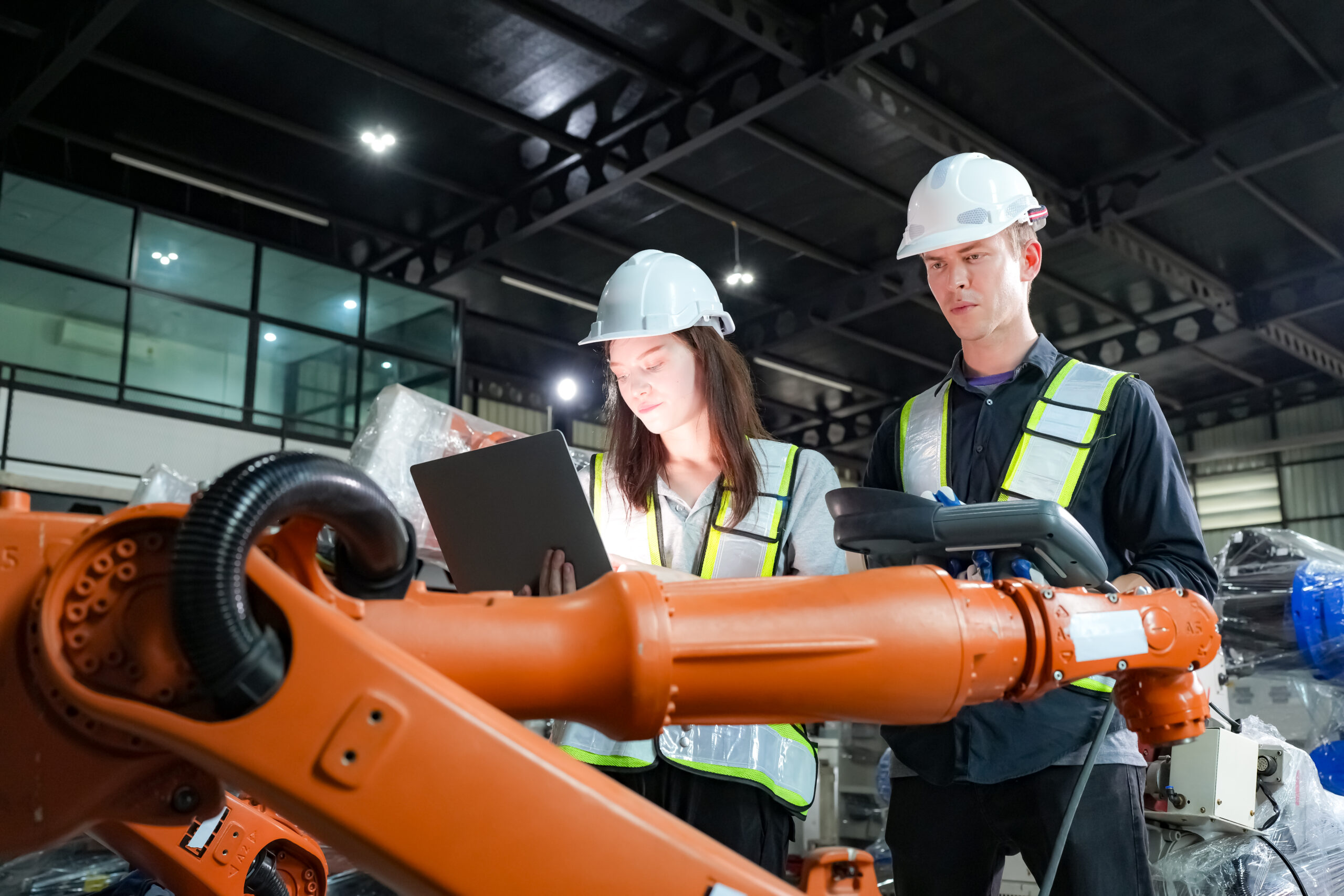
Construction site safety remains one of the biggest challenges facing the European construction sector today. Every day, workers operate in environments filled with heavy machinery, elevated structures, repetitive physical tasks, and constantly changing conditions. Despite major improvements in regulations and safety protocols over the past decades, accidents and injuries continue to represent a significant challenge for the construction sector across Europe. As the European Union accelerates the transition towards a more sustainable and digitalized construction ecosystem, a new question is emerging: can robots improve safety on construction sites?
The answer increasingly appears to be yes. From drones and autonomous inspection systems to wearable technologies and human-robot collaboration tools, robotics and artificial intelligence (AI) are beginning to reshape how safety is approached within construction and renovation activities. However, the role of robotics in construction is not simply about replacing workers. Across Europe, the discussion is becoming increasingly focused on “human-centric innovation”, where technology is designed to support workers, reduce risks, and create safer and more efficient workplaces.
Why construction site safety remains a major challenge
Construction sites are inherently complex environments, making construction site safety one of the biggest challenges facing the European construction sector today. Workers are exposed to risks associated with heights, moving equipment, unstable structures, hazardous materials, and physically demanding tasks. According to several European studies and occupational safety initiatives, the sector continues to experience higher accident rates compared to many other industries.
At the same time, the sector is undergoing significant pressure to modernize. Europe’s climate goals and the Renovation Wave strategy are driving the need for large-scale building renovation and infrastructure transformation. This means that construction activities are expected to increase substantially in the coming years. Yet increasing renovation rates while maintaining high standards of construction site safety is a major challenge. Traditional workflows often depend on manual inspections, repetitive physical labour, and fragmented monitoring systems. These processes can expose workers to unnecessary risks, compromise construction site safety, and reduce operational efficiency. This is where robotics and digital technologies are beginning to play a transformative role in improving construction site safety across Europe.
From automation to safer construction environments
The introduction of robotics into construction environments is no longer a futuristic concept. Across Europe, robots are increasingly being explored as tools capable of improving workplace safety, monitoring hazardous conditions, and supporting workers during dangerous or repetitive tasks. Recent European discussions on robotics and occupational safety highlight that advanced technologies can help reduce exposure to risky environments while improving precision and efficiency. One of the clearest examples is the use of drones for inspection activities. Traditionally, inspecting roofs, façades, or difficult-to-access structures often requires workers to operate at height using scaffolding or lifting platforms. Drone-based inspection systems can significantly reduce these risks by collecting visual and thermal data remotely.
Similarly, AI-powered monitoring systems can help identify structural defects, dangerous site conditions, or equipment-related issues before they become critical safety hazards. Robotics can also support physically demanding tasks. Wearable technologies, exoskeletons, and collaborative robotic systems are increasingly being developed to reduce worker fatigue and minimize musculoskeletal strain. Human-centric innovation initiatives promoted within the European construction ecosystem are already exploring how these technologies can improve both worker well-being and productivity.
Human-robot collaboration: supporting workers, not replacing them
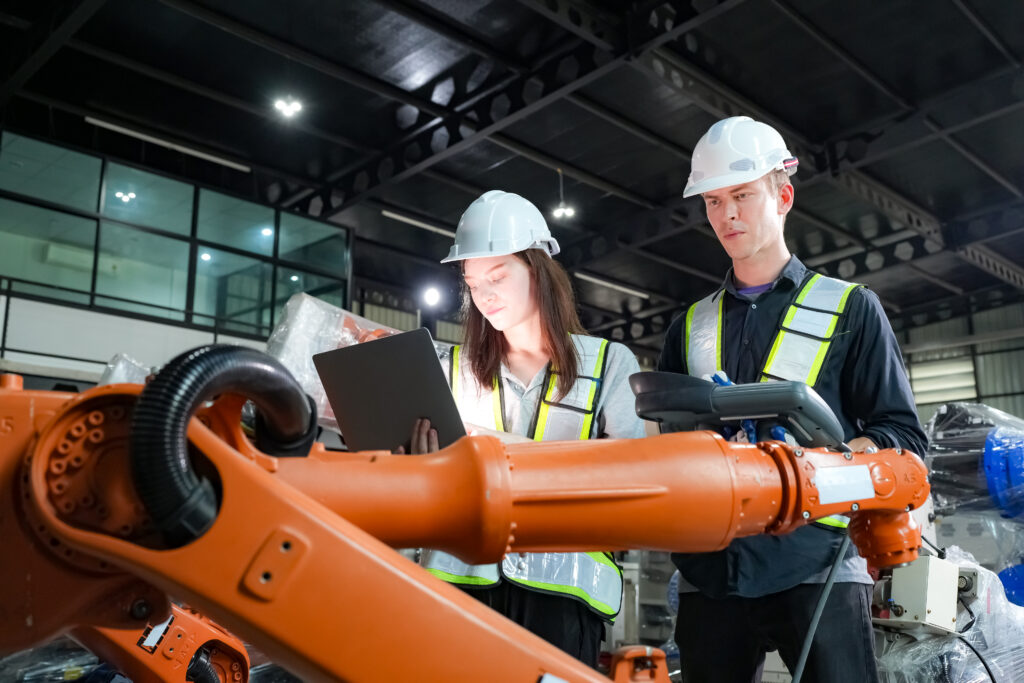
One of the most important aspects of construction robotics is the concept of human-robot collaboration (HRC). Unlike traditional automation models that focused on replacing human labour, modern European approaches increasingly emphasize cooperation between workers and machines. This approach recognizes that construction sites are highly dynamic environments where human decision-making, adaptability, and expertise remain essential. Robots are therefore being designed as supportive tools that assist workers rather than substitute them entirely. According to European workplace studies, advanced robotics combined with AI and sensor technologies are enabling safer interaction between humans and machines in shared workspaces.
Examples of this collaboration include:
- robotic assistance systems supporting heavy lifting operations
- AI-driven monitoring systems providing real-time alerts
- wearable technologies improving worker ergonomics
- augmented and virtual reality tools supporting training and hazard awareness
This shift toward human-centric robotics is aligned with broader European ambitions linked to Industry 5.0, where technology is expected to enhance not only efficiency, but also worker well-being, sustainability, and inclusiveness. Importantly, several studies also suggest that robotics can contribute positively to workplace safety when implemented within strong regulatory and worker protection frameworks. Research analysing robot adoption across European industries found associations between robotics and reductions in injuries and fatalities, particularly in technologically advanced and well-protected economies.
The role of AI and digital technologies in construction site safety
Robotics alone is not transforming construction safety. Its impact becomes even more significant when combined with AI, data analysis, and digital technologies. Digital twins, for example, are enabling more accurate monitoring of construction sites and renovation processes through real-time data integration. These virtual models allow teams to identify risks, simulate workflows, and improve decision-making before problems occur on-site. Artificial intelligence also plays a growing role in predictive safety. AI systems can analyse data collected from sensors, cameras, and monitoring devices to identify abnormal patterns or dangerous conditions. Instead of reacting to accidents after they happen, companies can begin preventing incidents before they occur.
At the same time, immersive technologies such as Virtual Reality (VR) and Augmented Reality (AR) are creating new possibilities for construction training. Workers can now simulate hazardous situations in safe digital environments, improving preparedness without exposure to real danger. These technologies are becoming increasingly relevant as Europe seeks to modernize construction while addressing labour shortages, sustainability goals, and occupational safety challenges simultaneously.
RADIANCE and the future of construction site safety
Towards a safer and smarter construction sector
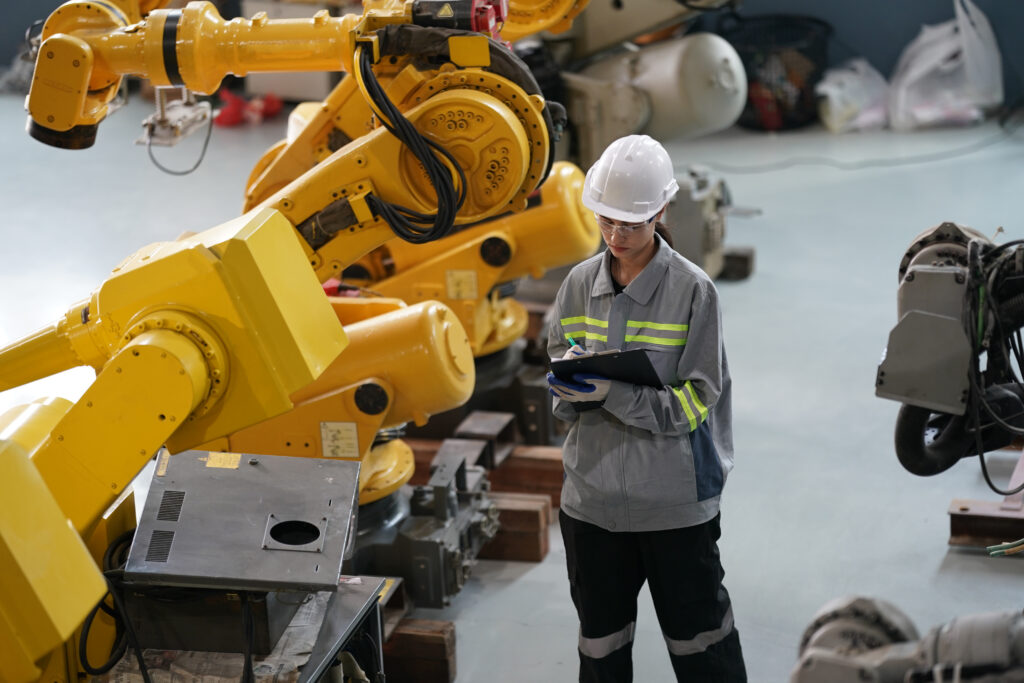
Robotics will not solve every challenge faced by the construction industry. However, the growing integration of robotics, AI, and digital technologies clearly demonstrates the potential to create safer construction environments across Europe. As the sector continues its digital transformation, the focus is increasingly shifting from simple automation toward intelligent and human-centred collaboration between people and machines. Projects like RADIANCE illustrate how innovation can support workers rather than replace them, helping construction sites become safer, more efficient, and more sustainable at the same time.
Ultimately, improving construction site safety is not only about reducing accidents. It is also about building a future where technological innovation and human well-being advance together.